
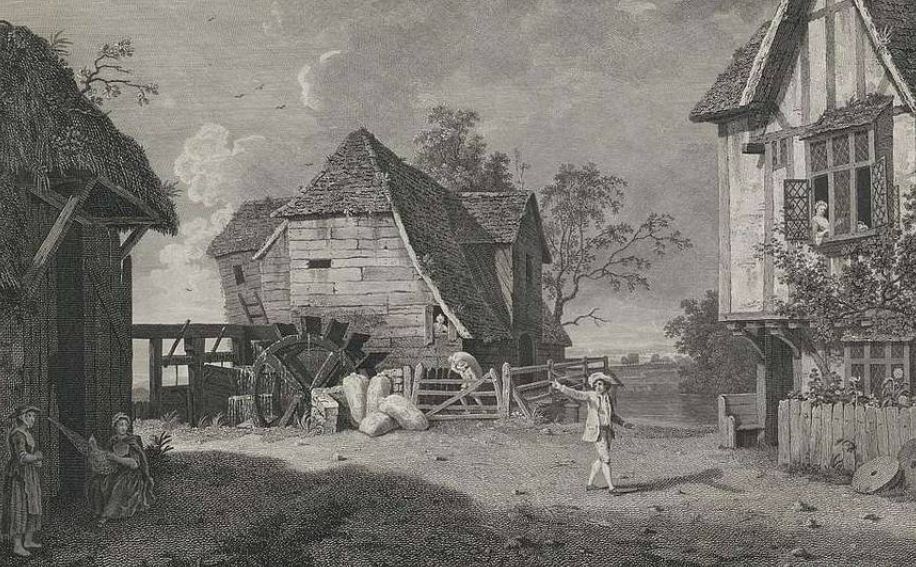
During Saxon and Viking times our Staveley farmers would have been working on an open field system which centered around the ‘Lord of the Manor’ owning the land and dividing it into strips for his tenant farmers. The farmers paid rent for each strip of land that they farmed and the land was not fenced off at all. Land ownership was the privilege of the wealthy.
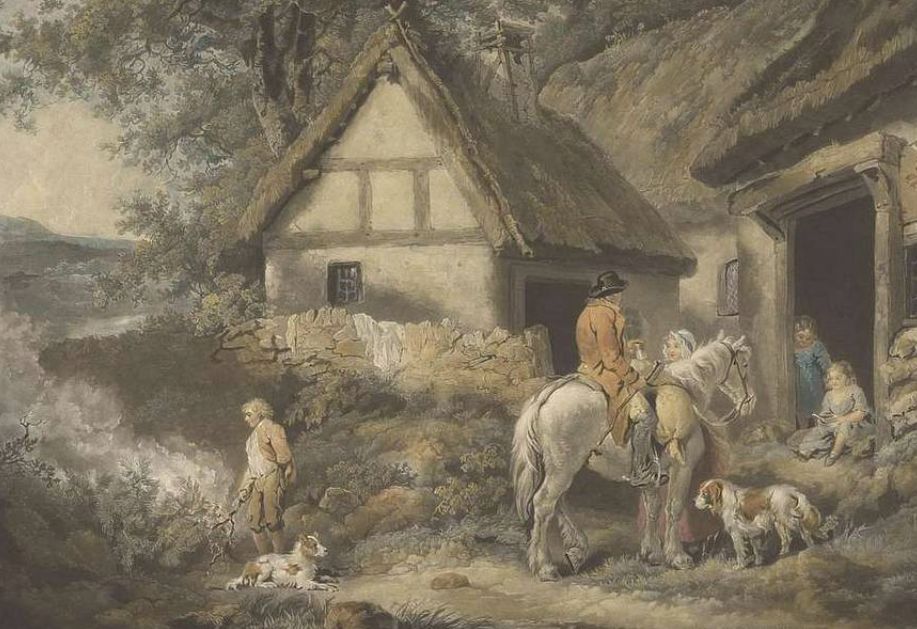
During the 16th century this would change and much of the land would fall into private ownership. A system of four-crop rotation changed the way that people farmed and farming became much more productive. In order to ensure that the land would not be exhausted of its nutrients the farmers would leave their land fallow every four years. The land would then rebalance and be able to sustain the crop rotation. This was a time when our Staveley ancestors would be growing mostly wheat, turnips, barley and clover.

Wheat was an essential and staple diet for the population and used for making bread whilst turnips were used to feed the animals. Barley would have been used in porridge, cereals, and for beer making and clover as a natural fertilizer.
Between 1750 and 1850 the population in England tripled. Food became cheaper due to more efficient farming production and higher yields. Barley was replaced with rye since it is more hardy than winter barley and many farms were now owned by hard working farmers. Farming provided much needed local employment but by the 1830’s machines were starting to reduce the need for manual labour.
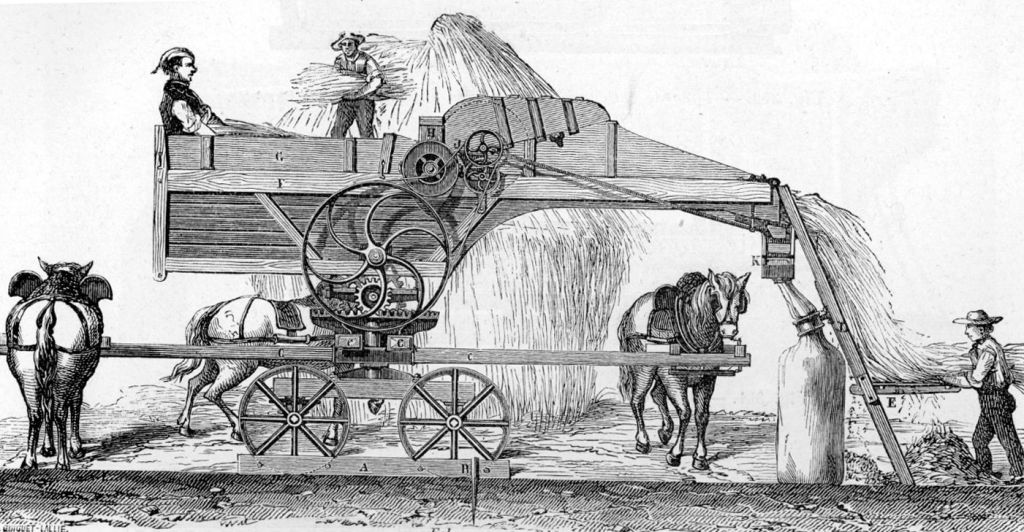
The Swing Riots in 1830 caused the destruction of over 400 threshing machines and included threats to farm owners and the gentry, with cases of arson and livestock destruction being reported. These were desperate times and farm labourers needed work. No one wanted to end up in the workhouse or having to rely on handouts as a pauper.
Farm labourers were starting to struggle to find jobs in an ever decreasing labour market. Many would end up leaving the villages and countryside and migrate to the bigger cities in an effort to find work. In 1829 there had been a disastrous harvest and the farming community were fighting for survival. Many families were familiar with going short of food and being cold and hungry during the winter months. Life could be miserable if you were out of work for any extended period of time.
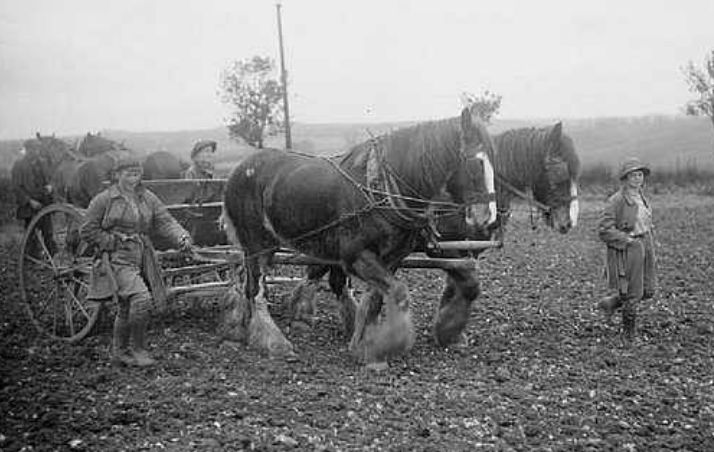
Foreign food products were now entering Britain and the Corn Laws which imposed tariffs on imported grain were repealed in 1846. This caused British farming to fall into a great depression. The government was trying to increase free trade by removing tariffs but by doing this they caused a great depression in British agriculture, the repercussions of which, would continue until after the Second World War.
Farming paid badly. Farm labourers were no longer needed in large numbers and foreign food imports flooded into the country.

Although machinery, and later steam engines, would automate much of the farming processes, it is important to note that up until this time much of the countryside and farming practices would have changed little since the 1700’s.
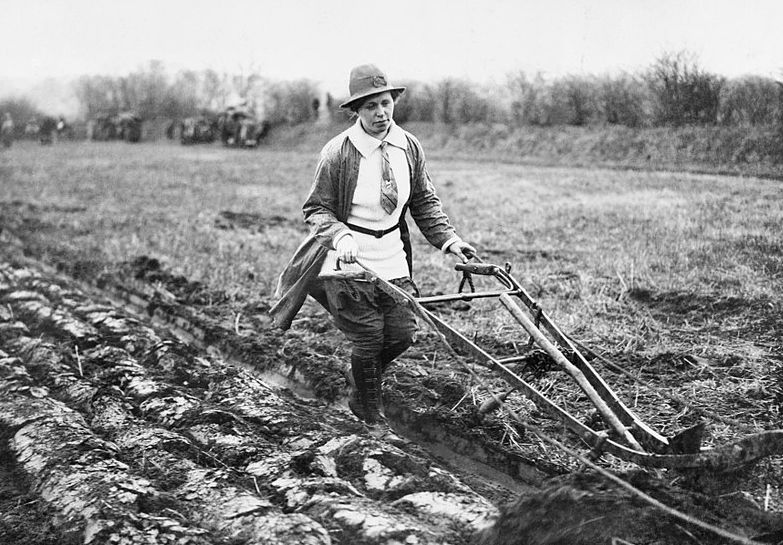
A farm labourer did not have an easy life. Growing food is hard work. It was even harder before we had tractors and the kind of machinery that we have today – and being a farmer is still hard work even in modern times!. The rural peasants were moving to the cities to become the working class that would fuel the industrial revolution.
From 1870 onwards things got worse. Many of our Staveley ancestors would find that ploughmen, shepherds and skilled farm labourers were in demand overseas and a great number of them would emigrate to the United States, Canada, Australia and New Zealand.
We have to remember that our ancestors did not benefit from social security. Their children would often die during child birth or at an early age through tuberculosis ( consumption ), pneumonia or diptheria. A farmer might experience the death of a wife during childbirth so it was not uncommon that he might marry again soon afterwards.

If disease didn’t get you, a career in the military might claim you instead. The British Empire needed soldiers. Many of them came from the rural farming communities. WWI claimed a good number of our ancestors.
A picturesque History of Yorkshire V3
Being An Account OIf The History, Topography, And Antiquities Of The Cities, Towns And Villages Of The County Of York ( 1901 ) – Joseph Smith Fletcher
 The Staveley Family