

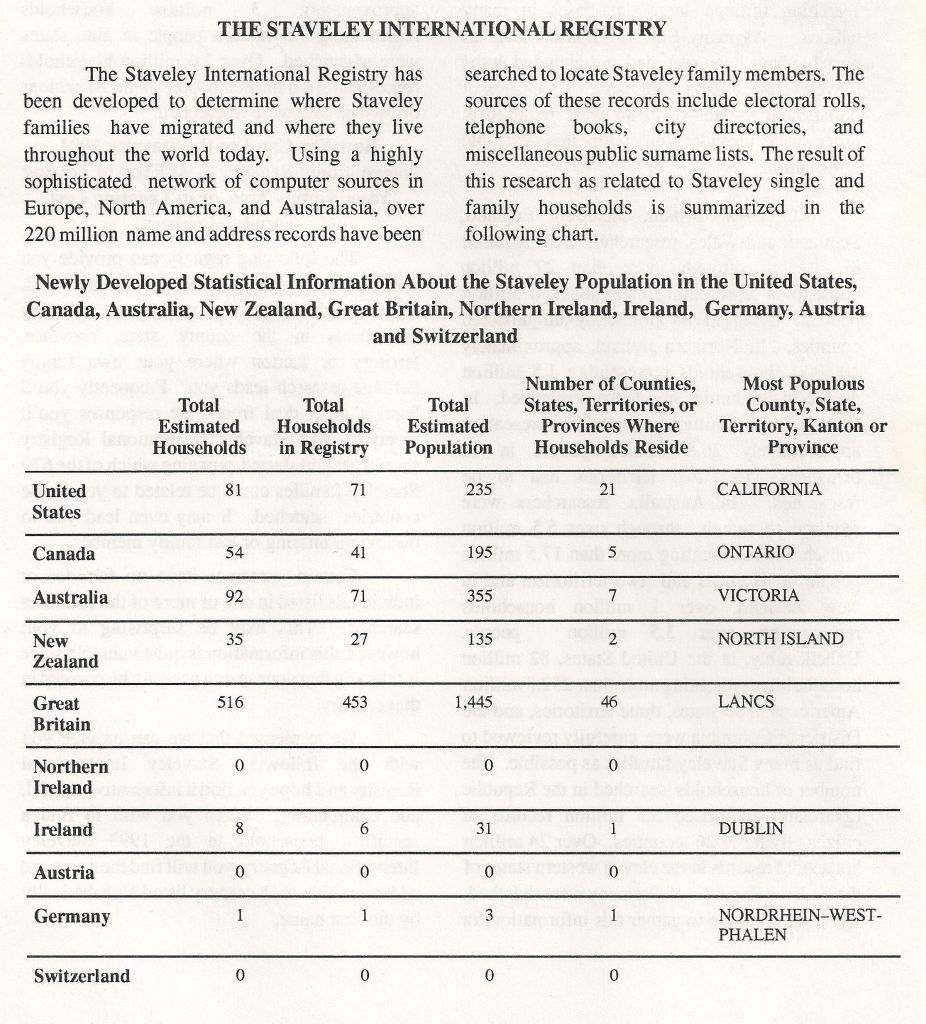
In 1991 I purchased a custom made World Book of Staveleys from *Halbert’s Family Heritage. This book provided the list of hundreds of Staveley families and their home addresses. I prepared a questionnaire with an accompanying letter to over 350 Staveley family addresses in the UK. This was more than enough to kick start my interest in Staveley genealogy.
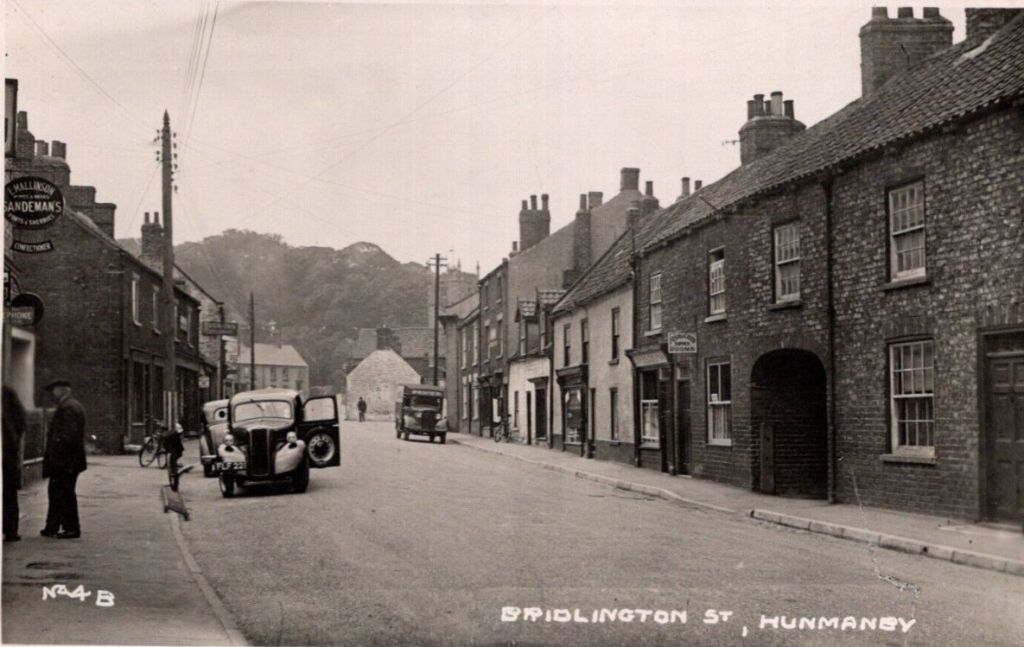
The replies started to arrive and I would spend the next two years finding out as much as I could from researchers who replied and general information from people who were helpful. Myself and my family, accompanied by my mother and father, would spend some time around Filey, Hunmanby, Muston and Scarborough in an effort to piece things together.
In those days the internet was fairly new. To gain information you would need to visit a main library that was able to offer micro fiche records of the data collected by the The Church of Jesus Christ of Latter-day Saints. International Genealogical Index (IGI).
Letters flowed between myself and interested parties and I collected around 4 large A4 folders of documentation and purchased a large number of Birth Certificates, Marriage Certificates and Death Certificates. I was able, with a lot of help, to trace my family tree back to the 1600’s.

I tried to concentrate on the Staveley line in Yorkshire but admit to being led astray with interesting details of other Staveley family members. The collection of information was slow and often confusing. People would move around. They might use a nickname or shortened version of their birth name. Piecing things together was not easy but helped by work that other researchers had done. Often the Staveley name was spelt differently and first names and second names omitted or noted incorrectly.
After a period of three years I had done what I could and I published my first Staveley family tree on My Heritage in 2009. How things have changed since then. Some time later I had a visit from a Peter Staveley who collated much of the data that I had collected and turned it into the most comprehensive Staveley research that exists, his efforts culminating in a CD packed with so much information and history that it will take you several weeks to digest it.
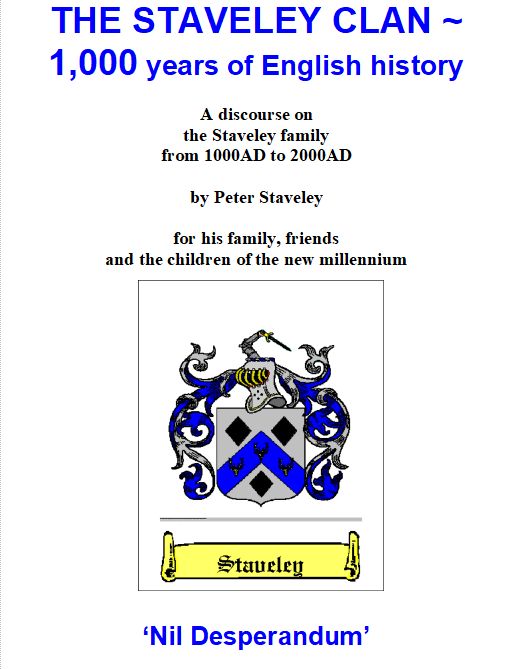
I cannot over emphasize the amount of time, effort, detail and diligence that went into the production of the Staveley Clan document that Peter Staveley put together. There are nearly 600 pages of text and illustrations which take the Staveley family back to the middle ages. Additionally, the book is supported by a large amount of documentation including interesting anecdotes involving smuggling, the mystery of Lascelles and even a possible connection to Robin Hood. Click here for more details.
After a period of around 25 years I have returned to my Family Tree to try in an attempt to put right any errors and explore it further. I make no guarantees about the accuracy of the family tree and there will inevitably be mistakes. I hope that it will continue to be a useful resource for others.
If you have any additional information about individuals in our family tree please do not hesitate to contact me via My Heritage, Ancestry, Geneanet or other Genealogy websites where I am registered. I would be particularly interested in more photographs of individuals and any interesting stories about members of the Staveley family and their life experiences.
At the time of writing in 2024 this is all very much work in progress.
Special thanks to Irene Newham of Scarborough, John Watson of Milton Keynes, Mac Staveley from Hull, Dr L A K Staveley, Peter Staveley of Teddington, Middlesex, and all the individual Staveleys involved that I have met or communicated with.
*I only used Halberts for the directory of names and addresses. They have received criticism for poor genealogy reports and there was a court case in the USA brought against them by the US Postal Service in 1995. I can only assume that this is the same firm.
Additional Research
Staveley’s of Skirlaugh by Peter Staveley
Harry Staveley of Quebec, Canada with roots back in the UK
The Stavely family of Frederick W. Stavely : the early Staveleys, the Staveleys of Ireland, the Stavelys of America – pdf book available for download
The Staveley Genealogy website – by Kae Lewis and Peter Staveley
Staveley family of Cork by Kae Lewis
Ancient Faces – AncientFaces is a free genealogy community where memories of special moments & people live.
Family Tree Magazine – If you are just starting out in Genealogy and wants some tips and guidance this is a good place to start.

My Heritage.Com – Review
MyHeritage: A Comprehensive Review
MyHeritage stands out as a leading platform for family tree research, boasting popularity among genealogy enthusiasts. While it offers DNA tests like many of its counterparts, its strength lies in providing a wealth of information particularly beneficial for British researchers, including access to large datasets and the 1939 Census Records. However, it’s worth noting that these records are linked to sources rather than directly providing images.
Pros:
- Smart Matches Technology: MyHeritage utilizes innovative smart matches technology, simplifying the process of connecting with other researchers and sharing valuable insights effortlessly.
- Extensive Record Collection: The platform hosts a diverse collection of records, encompassing crucial data such as immigration records.
- Newspaper Inclusions: For an additional premium, users can access newspaper archives, enriching their research experience with historical context.
- Instant Discoveries: Offering instant discoveries, MyHeritage can rapidly expand your family tree with automated branch additions, providing quick wins for genealogical pursuits.
- Responsive Customer Service: Despite occasional hiccups, the platform’s customer service generally resolves issues effectively, ensuring a smoother user experience.
Cons:
- Costly Membership: MyHeritage tends to be among the pricier options in the genealogy market, with a multi-tiered payment system that can be confusing, coupled with aggressive marketing tactics upon renewal.
- Auto-Renewal Concerns: The inclusion of auto-renewal in subscription plans may lead to unexpected charges, prompting users to exercise caution and disable this feature for better financial control.
- High Price Tag: At present, opting for the complete package could set you back over £200 annually, making it a substantial investment for dedicated researchers.
- Clarity on Charges: Transparency regarding subscription charges is lacking on the website, necessitating clearer communication to help users make informed decisions.
- Duplication and Accuracy Issues: MyHeritage suffers from occasional duplication of family trees, leading to smart matches that cite sources already provided by users. Moreover, while its smart matching and search functionalities are robust, they may occasionally yield inaccurate results, requiring users to rectify errors over time.
In summary, MyHeritage serves as a valuable resource for individuals seeking to delve into their family history, offering a range of features and datasets tailored to meet diverse research needs. While its pricing structure and occasional inaccuracies may pose challenges, its innovative tools and responsive support contribute to a fulfilling genealogical journey.
Rating: 7/10
To visit and sign up for My Heritage click here.
Ancestry – Review
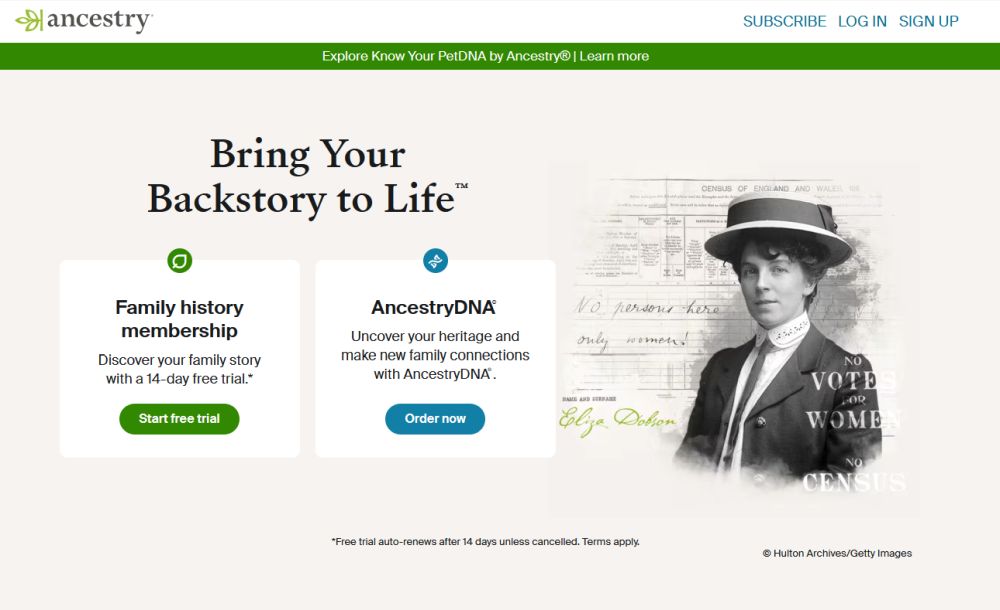
Ancestry: The Ultimate Hub for Family History
Ancestry stands as the undisputed titan of family history websites, reigning supreme as the market leader in genealogical research. With its headquarters in the USA, Ancestry boasts an impressive repository of over 20 billion records, making it a veritable treasure trove for enthusiasts worldwide. Particularly noteworthy is its robust collection catering to UK researchers, with many libraries offering access to its vast database free of charge.
Pros:
- Intuitive Family Tree Builder: Ancestry’s family tree builder sets the gold standard for genealogical software. Its user-friendly interface, clear layout, and thoughtful design make it a breeze to navigate and master.
- Smart Hint System: Ancestry’s hint system is a game-changer, guiding users to relevant records and documents with remarkable accuracy. This feature streamlines the research process, saving time and effort in the quest for ancestral connections.
- Seamless Record Integration: One of Ancestry’s strengths lies in its seamless integration of records into individual family tree entries. Users can easily access and review relevant documents, enhancing the depth and accuracy of their research.
- Extensive UK Coverage: Ancestry’s commitment to providing comprehensive UK coverage ensures that researchers have access to a wealth of vital records, census data, and historical documents, facilitating discoveries across generations.
- Clear and Transparent Pricing: Ancestry offers a straightforward pricing structure, with options ranging from premium to worldwide access. Unlike some competitors, Ancestry’s pricing model is easy to understand, empowering users to choose the plan that best suits their needs.
Cons:
- Room for Search Function Improvement: While Ancestry’s search functionality is generally robust, there is room for improvement in its accuracy and efficiency. Users may encounter instances where the search fails to locate desired records, leading to frustration and delays in research.
- Additional Charges: Like many genealogy websites, Ancestry imposes additional charges for certain features and services. However, the higher price point is justified by the unparalleled breadth and depth of its record collection compared to competitors.
- Intermittent Technical Glitches: Ancestry’s occasional failure to load hint pages can be a source of frustration for users, with error messages citing temporary unavailability. While these glitches are relatively rare, they disrupt the research flow and detract from the overall user experience.
In conclusion, Ancestry remains the go-to destination for individuals eager to unlock the secrets of their family history. With its unparalleled database, user-friendly tools, and commitment to innovation, Ancestry earns its reputation as the premier platform for genealogical research.
Rating: 9/10
To visit and sign up for Ancestry click here.
Geneanet – Review
To visit Geneanet click here.
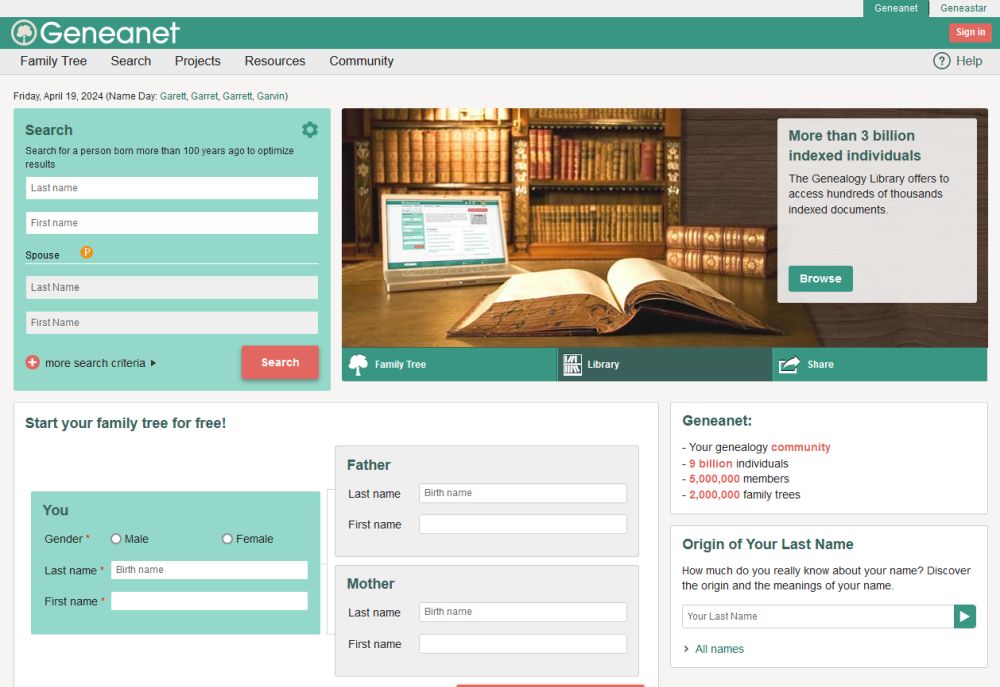
Geneanet: A Solid Option for Genealogical Research
Geneanet, although ultimately owned by Ancestry, stands as an independent player in the genealogy sphere, offering access to nearly 7 billion data points sourced from members, partners, and collaborative projects. With a focus on building family trees, it appeals to users seeking simplicity and ease of use, albeit with some limitations compared to its larger competitors. Despite its drawbacks, Geneanet earns a middling rating of 5 out of 10 for its contributions to the genealogical community.
Pros:
- Community Atmosphere: Geneanet fosters a sense of community among its users, with a welcoming environment and minimal pressure to subscribe. The absence of aggressive subscription prompts is a refreshing change compared to other platforms.
- User-Friendly Layout: The website boasts a clear and concise layout, making it easy for users to create and navigate family trees. With all the essential tools at your fingertips, producing a well-structured family tree is a straightforward process.
- Visitor Access: Geneanet offers direct access for visitors, allowing them to explore family trees without requiring active participation or membership. This feature facilitates the sharing of genealogical information with a broader audience.
- Supportive Forum: An active help and support forum provides users with a platform to seek assistance, share insights, and connect with fellow genealogists. The collaborative nature of the forum enhances the overall user experience.
- Immediate Tree Access: Geneanet enables users to grant guests immediate access to their family trees via a dedicated website, facilitating collaboration and knowledge sharing among family members and researchers.
Cons:
- Limited Features: Geneanet lacks the advanced features and functionality associated with larger competitors, such as robust hint systems and automated data integration. This can be a deterrent for users accustomed to more comprehensive genealogy platforms.
- Outdated Hint System: The hint system on Geneanet is outdated and manual, requiring users to manually add information rather than auto-populating their family trees. This antiquated approach can be time-consuming and less efficient compared to modern systems.
- Clunky Interface: Some users may find Geneanet’s interface to be clunky and archaic, with navigation and usability issues hindering the overall user experience. Improvements in user interface design could enhance the platform’s appeal and usability.
- Limited Resources: Despite offering paid membership options, Geneanet’s full membership does not provide access to the same breadth and depth of resources as other genealogy websites. Users may find themselves lacking access to essential records and databases.
In summary, Geneanet serves as a viable option for individuals seeking to build simple family trees and engage with a supportive genealogical community. While it may lack the bells and whistles of its larger competitors, its user-friendly interface and inclusive atmosphere make it a respectable choice for genealogical research.
Rating: 5/10
To visit Geneanet click here.
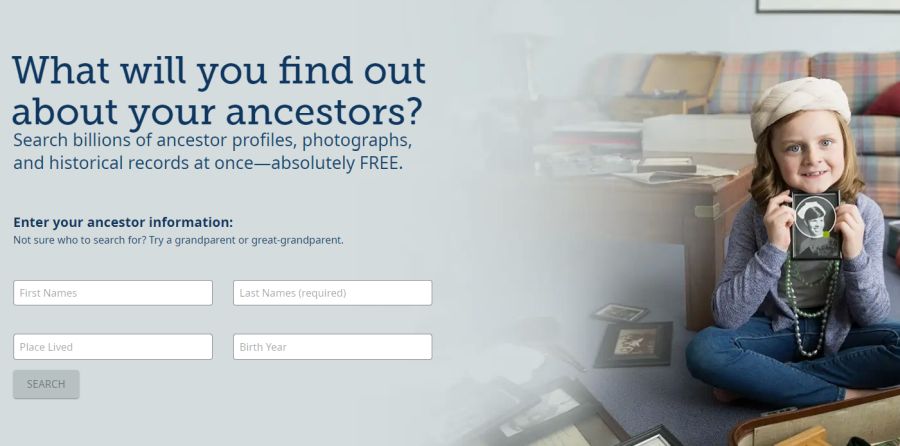
FamilySearch: Your Gateway to Ancestral Discoveries
FamilySearch stands out as a beacon of accessibility and inclusivity in the world of genealogy, offering a vast repository of records and resources free of charge to users worldwide. With its expansive database and commitment to democratizing access to genealogical information, FamilySearch earns a solid rating of 8 out of 10 for its invaluable contributions to the genealogy community.
Pros:
- Free Access: Perhaps the most compelling aspect of FamilySearch is its commitment to providing free access to its extensive database of records and resources. Unlike many competitors that require paid subscriptions, FamilySearch opens the doors to ancestral discoveries for users of all backgrounds and financial means.
- Huge Database: FamilySearch boasts a staggering database comprising millions of records spanning centuries of human history. From vital records and census data to historical documents and beyond, the wealth of information available empowers users to uncover long-lost relatives and piece together their family history with ease.
- Global Reach: With a worldwide user base and partnerships with archives and organizations across the globe, FamilySearch offers unparalleled access to genealogical resources from diverse cultures and regions. This global perspective enriches the genealogical journey and fosters connections across borders and generations.
- Collaborative Platform: FamilySearch’s collaborative platform encourages users to share knowledge, collaborate on research, and build upon each other’s discoveries. This spirit of collaboration fosters a sense of community among users and facilitates the exchange of information and insights.
Cons:
- Tangled Interface: While FamilySearch’s vast database is undeniably impressive, its interface can be a bit overwhelming and disjointed. Navigating through the multitude of records and resources may feel like navigating a tangled web at times, requiring patience and perseverance on the part of users.
- Risk of Inaccuracies: One potential drawback of FamilySearch’s collaborative nature is the risk of incorrect information being introduced into family trees and records by other users. Allowing others to alter your records without proper verification may result in inaccuracies, requiring users to exercise caution and diligence in their research.
Comparison with Competitors:
In comparison to its paid counterparts, FamilySearch stands out for its commitment to providing free access to its vast database of records and resources. While other genealogy websites may offer more advanced features and a polished user interface, FamilySearch’s status as a free and immensely useful online resource sets it apart in the genealogy landscape.
In summary, FamilySearch serves as a beacon of accessibility and inclusivity in the genealogy community, providing users with free access to a wealth of genealogical records and resources from around the world. While its interface may be a bit tangled at times, and users must be cautious of inaccuracies introduced by others, its status as a free and invaluable resource earns it a solid rating of 8 out of 10. Whether you’re a seasoned researcher or just beginning your genealogical journey, FamilySearch offers something for everyone.
Rating: 8/10
To visit Family Search click here.
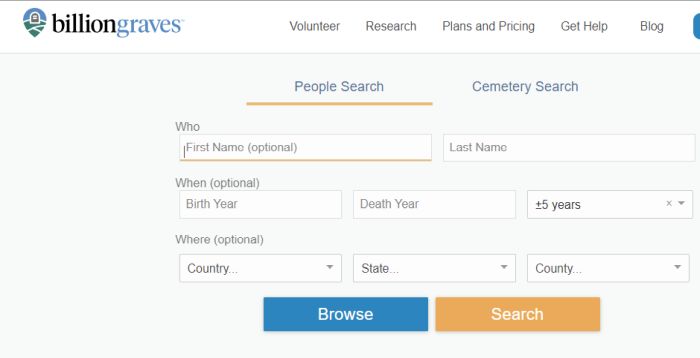
BillionGraves vs. FindAGrave: A Comparative Review
BillionGraves and FindAGrave are two prominent platforms dedicated to documenting and preserving cemetery records, gravestones, and genealogical information. While they share a common goal, each platform offers unique features and experiences for users. Let’s explore the strengths and weaknesses of each, along with a rating out of 10 based on their respective merits.
BillionGraves:
Pros:
- Focused Approach: BillionGraves specializes in the digitization of cemetery records and gravestone images, providing users with a comprehensive database of burial information. Its singular focus on this niche aspect of genealogy ensures a high level of accuracy and depth in its records.
- Crowdsourced Data Collection: BillionGraves relies on a global network of volunteers to photograph and transcribe gravestones, resulting in a rapidly growing database of cemetery records. This collaborative approach enables users to access a diverse range of burial information from around the world.
- GPS Tagging: One of BillionGraves’ standout features is its use of GPS technology to accurately geotag grave locations. This feature enhances the usability of the platform, allowing users to pinpoint the exact location of gravesites with precision.
Cons:
- Limited Coverage: While BillionGraves has made significant strides in digitizing cemetery records, its coverage may be limited in certain regions or cemeteries, particularly outside of urban areas. Users may encounter gaps in coverage depending on their geographic location.
- Paid Subscription for Advanced Features: Some of BillionGraves’ advanced features, such as access to additional search filters and analytics tools, require a paid subscription. While the basic functionality is available for free, users seeking more robust tools may need to invest in a subscription plan.
Rating: 7/10
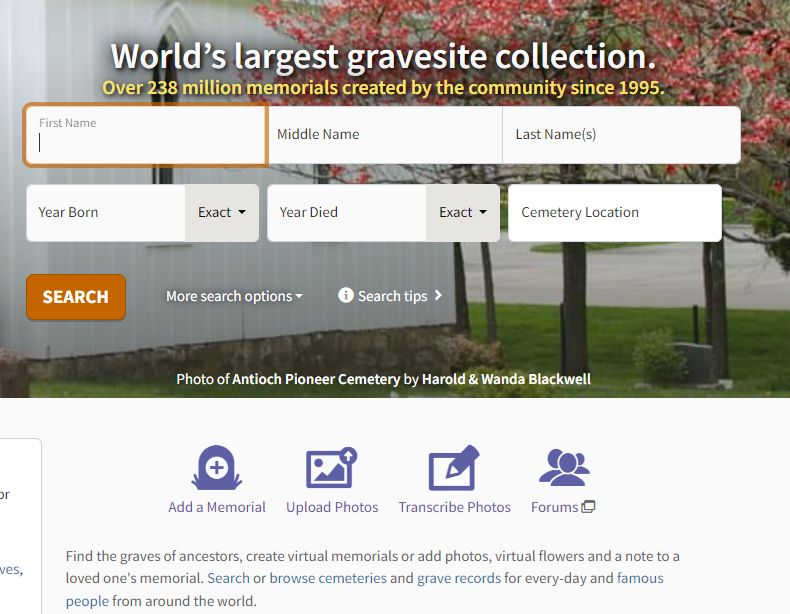
FindAGrave:
Pros:
- Comprehensive Database: FindAGrave boasts a vast database of cemetery records, gravestone images, and memorials, making it one of the largest repositories of burial information online. Its extensive coverage includes cemeteries from around the world, providing users with access to a wealth of genealogical data.
- Longevity and Established Community: With roots dating back to the late 1990s, FindAGrave has built a loyal user base and established itself as a trusted resource for genealogists and researchers. Its longevity speaks to its enduring relevance and usefulness in the genealogy community.
- Memorial Pages: FindAGrave allows users to create memorial pages for deceased individuals, complete with biographical information, photos, and virtual flowers. This feature enables users to pay tribute to their loved ones and contribute to the preservation of their legacies.
Cons:
- User-Contributed Content: While FindAGrave’s user-contributed model facilitates the rapid expansion of its database, it also introduces the risk of inaccuracies and inconsistencies in the information provided. Users should exercise caution and verify the accuracy of data before relying on it for research purposes.
- Limited Search Functionality: FindAGrave’s search functionality may be somewhat basic compared to other genealogy platforms, lacking advanced filters and sorting options. Users may find it challenging to narrow down search results effectively, especially when dealing with common names or densely populated cemeteries.
Rating: 8/10
Conclusion:
Both BillionGraves and FindAGrave offer valuable resources for genealogists and researchers seeking to explore cemetery records and gravestone information. While BillionGraves excels in its focused approach and innovative use of GPS tagging, FindAGrave stands out for its comprehensive database and established community. Depending on your specific needs and preferences, either platform can serve as a valuable tool in your genealogical endeavors.
Ultimately, FindAGrave earns a slightly higher rating of 8 out of 10 for its extensive database and established reputation within the genealogy community. However, both platforms offer unique strengths and contributions to the field of genealogical research, making them worthy resources for anyone exploring their family history.
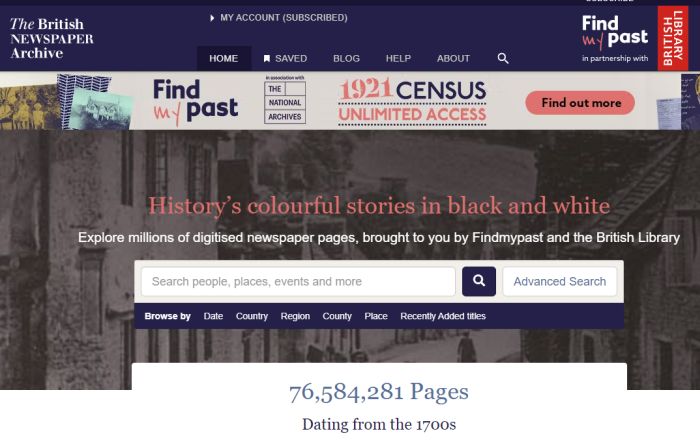
British Newspaper Archive: A Comprehensive Review
The British Newspaper Archive stands as a cornerstone resource for individuals delving into British history and genealogy through the lens of newspaper publications. Owned by Findmypast, it offers a vast collection of digitized newspapers spanning centuries of British life. Let’s delve into the pros and cons of this archive, alongside a comparison with its competitors.
Pros:
- Extensive Collection: The British Newspaper Archive houses an extensive collection of millions of digitized newspaper pages, providing invaluable insights into British society, culture, and events from bygone eras. Its breadth and depth make it a treasure trove for historians, researchers, and genealogists alike.
- Easy Accessibility: The archive’s user-friendly interface and intuitive search tools make it easy for users to navigate and explore its vast collection. Whether you’re searching for specific articles, browsing by date, or exploring thematic topics, finding relevant content is a seamless experience.
- High-Quality Scans: The archive prides itself on providing high-quality scans of newspaper pages, ensuring legibility and clarity for users examining historical documents. This attention to detail enhances the research process and enables users to engage with primary sources in their original form.
- Advanced Search Options: Advanced search filters and options allow users to refine their queries and pinpoint specific articles or publications of interest. From date ranges and publication titles to keyword searches and article types, the archive offers versatile tools for conducting in-depth research.
Cons:
- Subscription-Based Model: Access to the British Newspaper Archive is subscription-based, requiring users to pay for a membership to view content beyond the limited free access offered. While this model helps sustain the archive and ensure ongoing digitization efforts, it may pose a barrier to entry for some users.
- Limited Coverage Periods: While the archive boasts a vast collection, coverage periods for individual newspapers may be limited, with some titles only available for specific date ranges. Users seeking information from less prominent or historically significant publications may encounter gaps in coverage.
Comparison with Competitors:
In comparison to its competitors, such as Newspapers.com and Gale Historical Newspapers, the British Newspaper Archive offers a unique focus on British publications, providing a comprehensive repository of historical newspapers from the region. While other platforms may offer broader geographical coverage or additional features, the British Newspaper Archive stands out for its depth of coverage and specialization in British history and genealogy.
Rating: 9/10
Conclusion:
The British Newspaper Archive emerges as a vital resource for anyone interested in exploring British history and genealogy through the lens of newspaper publications. With its extensive collection, user-friendly interface, and advanced search capabilities, it provides a valuable window into the past. While its subscription-based model and occasional coverage limitations may present challenges, its overall contribution to historical research and preservation merits a solid rating of 9 out of 10. Whether you’re tracing your family history or conducting scholarly research, the British Newspaper Archive offers a wealth of knowledge waiting to be discovered.
Forever.com Review: Safeguarding Family Memories with Ease
In the digital age, preserving precious family memories has become paramount. Forever.com emerges as a beacon in this endeavor, offering a comprehensive platform for storing and sharing family photos, documents, and videos. With a keen focus on security and accessibility, Forever.com proves to be a vital tool for creating and maintaining a rich family legacy. Here’s a breakdown of its pros and cons, highlighting its significance in safeguarding cherished memories:
Pros:
- Secure Storage: Forever.com prioritizes the security of your family memories. With robust encryption and advanced security measures, users can trust that their photos, documents, and videos are safeguarded against loss or unauthorized access.
- Easy Organization: Organizing family memories has never been simpler. Forever.com provides intuitive tools for categorizing and tagging photos, making it effortless to create albums and navigate through your collection.
- Versatile Content Support: One of Forever.com’s standout features is its support for various types of content beyond just photos. Users can upload and store PDF documents, images, and even videos, enriching their family history with diverse media formats.
- Family Tree Integration: Seamlessly integrate your family history into a comprehensive family tree website. Forever.com facilitates the addition of downloadable content to your family tree, ensuring a dynamic and engaging exploration of your ancestry.
- Long-Term Preservation: Unlike other cloud storage solutions, Forever.com is committed to preserving your family memories for generations to come. With their promise of permanent storage, you can rest assured that your legacy will endure beyond your lifetime.
Cons:
- Learning Curve: While Forever.com offers a user-friendly interface, some users may encounter a learning curve when exploring its advanced features, such as family tree integration and content organization.
- Subscription-Based Model: Access to Forever.com’s full suite of features requires a subscription, which may deter budget-conscious users. However, considering the value it provides in preserving family memories, the investment is well justified for many.
Score: 8/10
Forever.com earns a commendable score of 8 out of 10 for its exceptional contribution to preserving family memories. Its robust security measures, versatile content support, and seamless integration with family tree websites make it an indispensable tool for anyone seeking to safeguard their heritage. While there may be minor hurdles to overcome, the benefits far outweigh the drawbacks, making Forever.com a worthy investment for preserving your family’s legacy.
 The Staveley Family